

Dryer Repair in Orange & Surrounding Areas, NJ
Same-day service, experienced technicians, all major brands

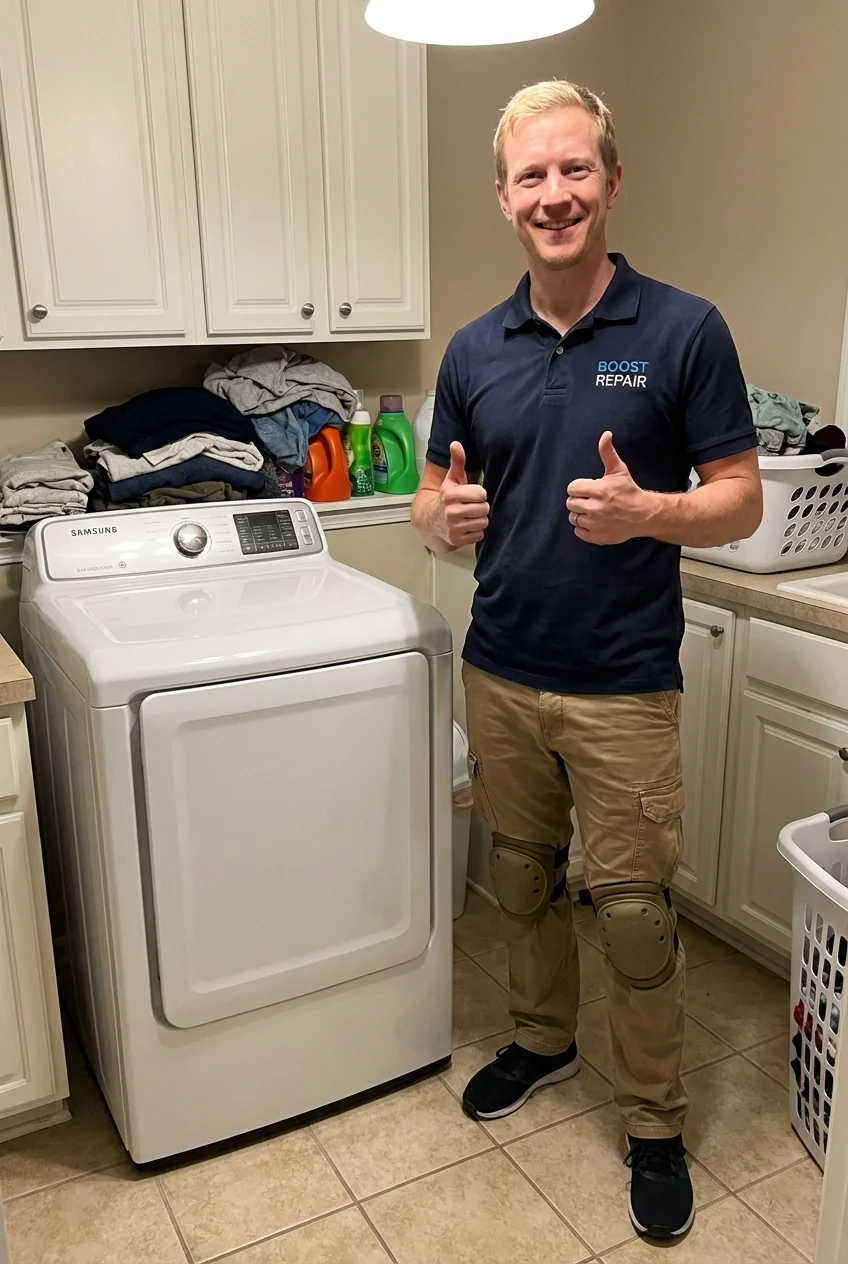
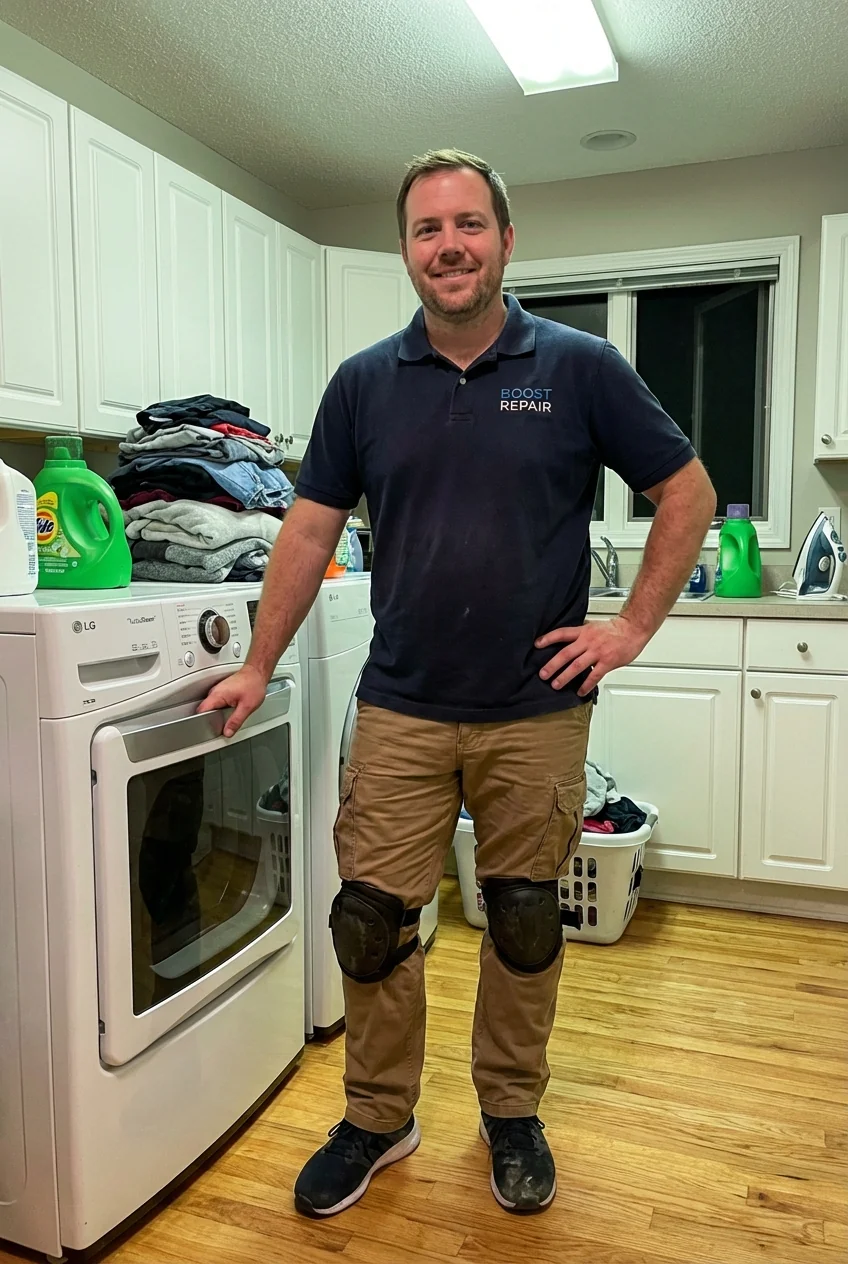
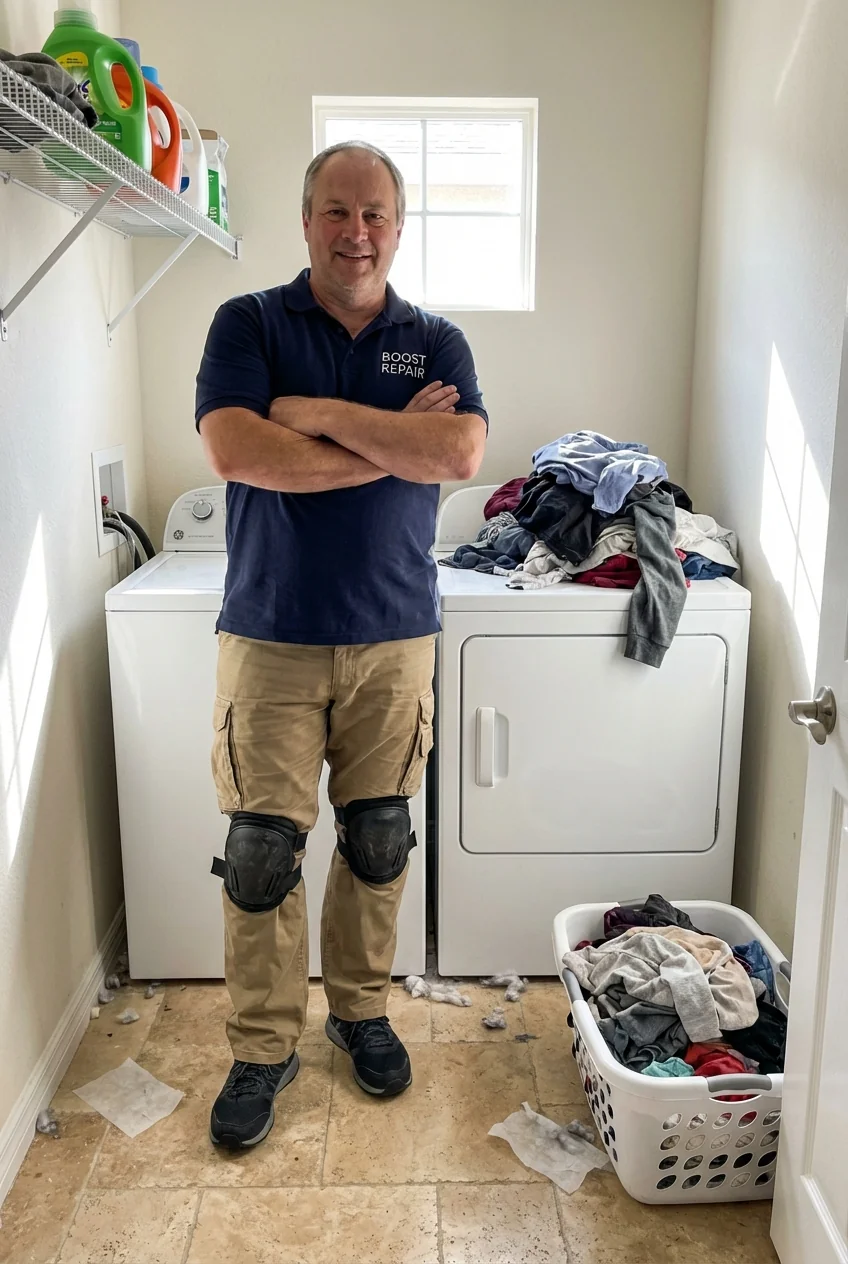
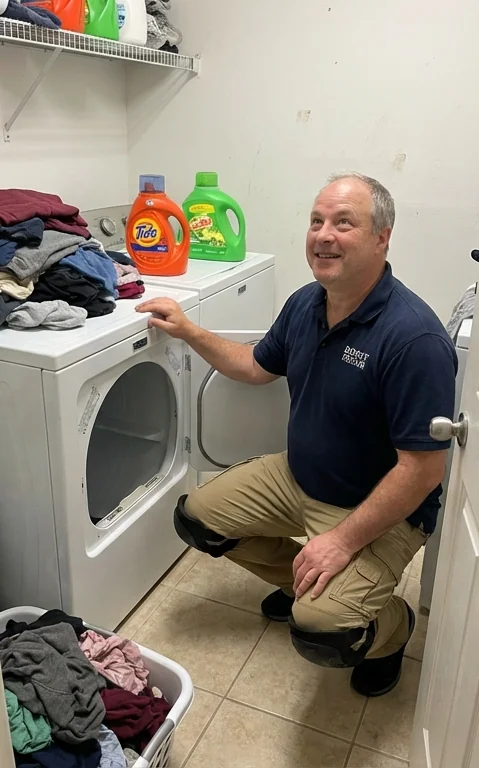
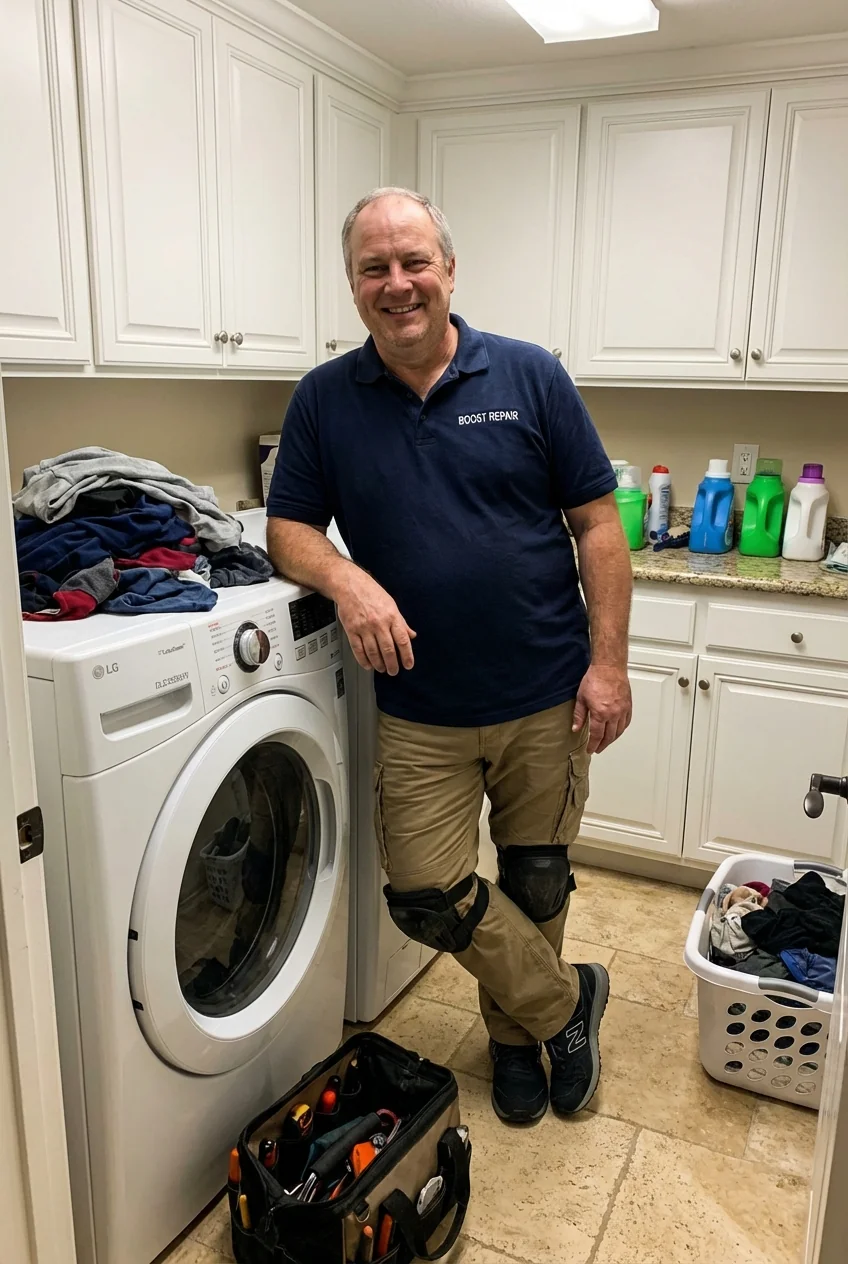
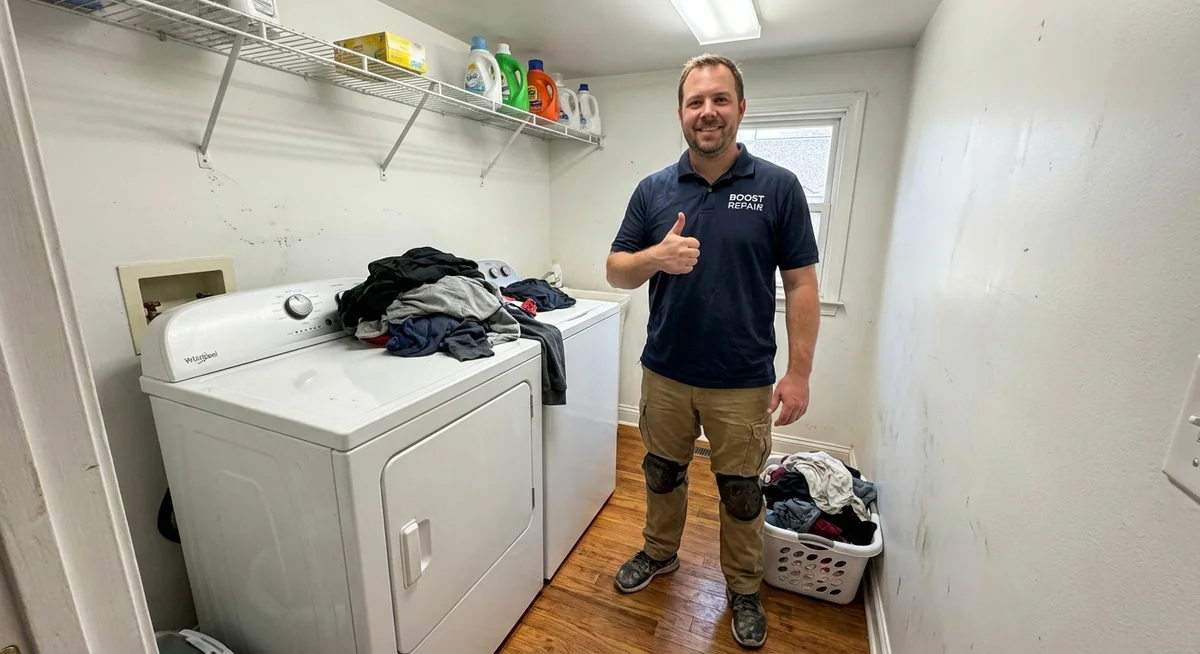
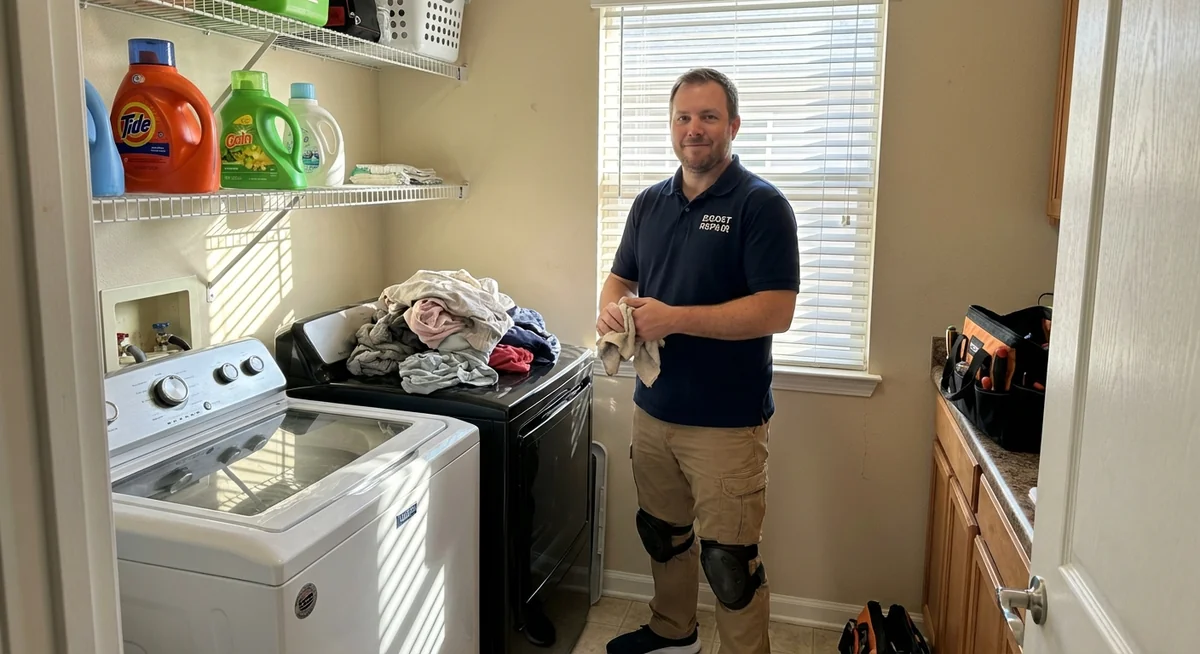
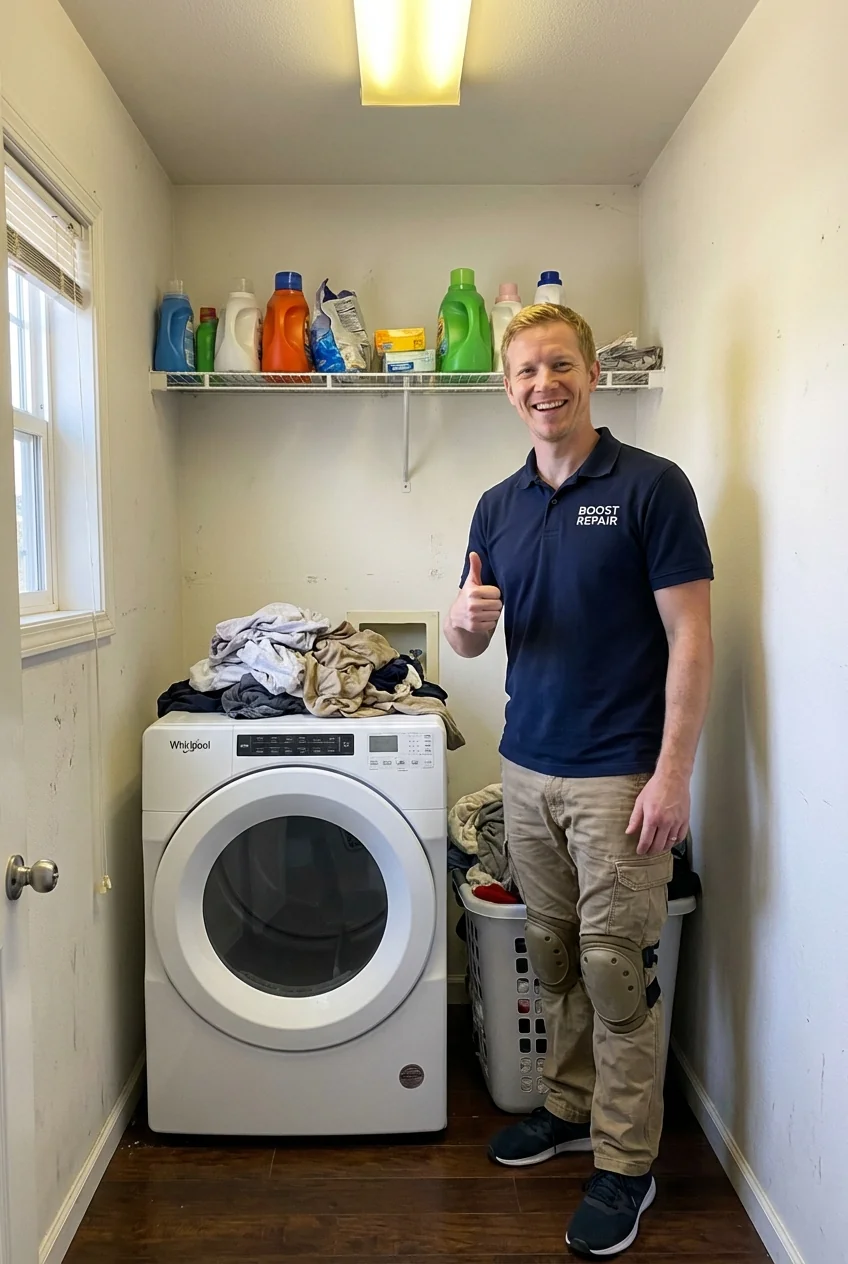
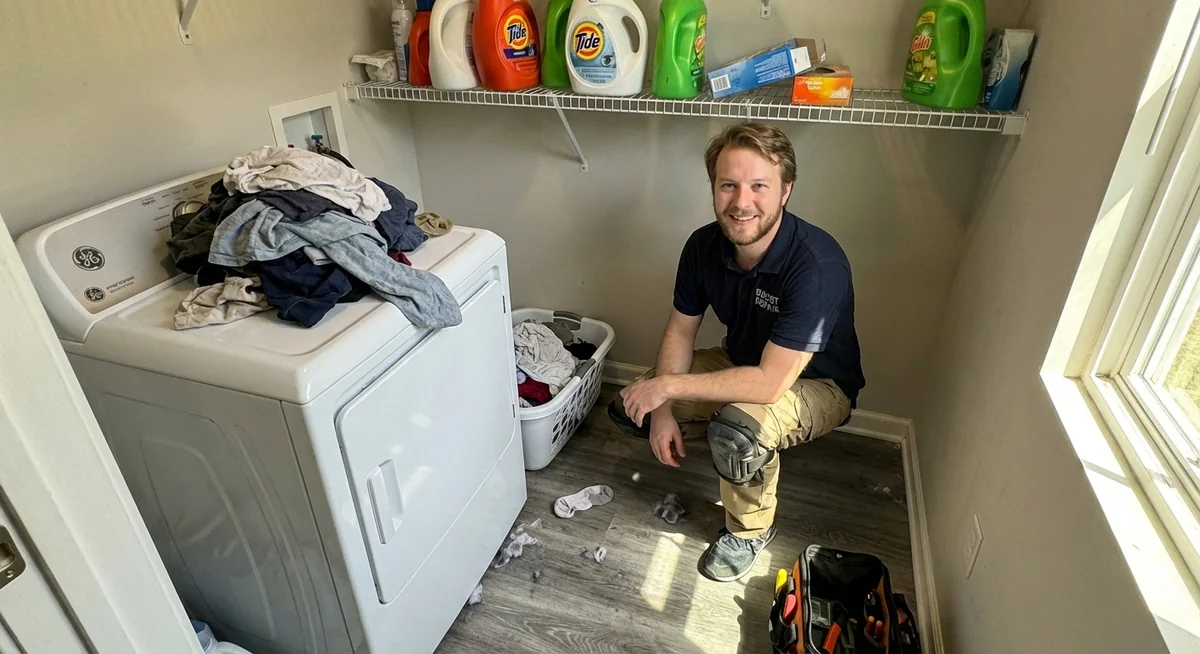
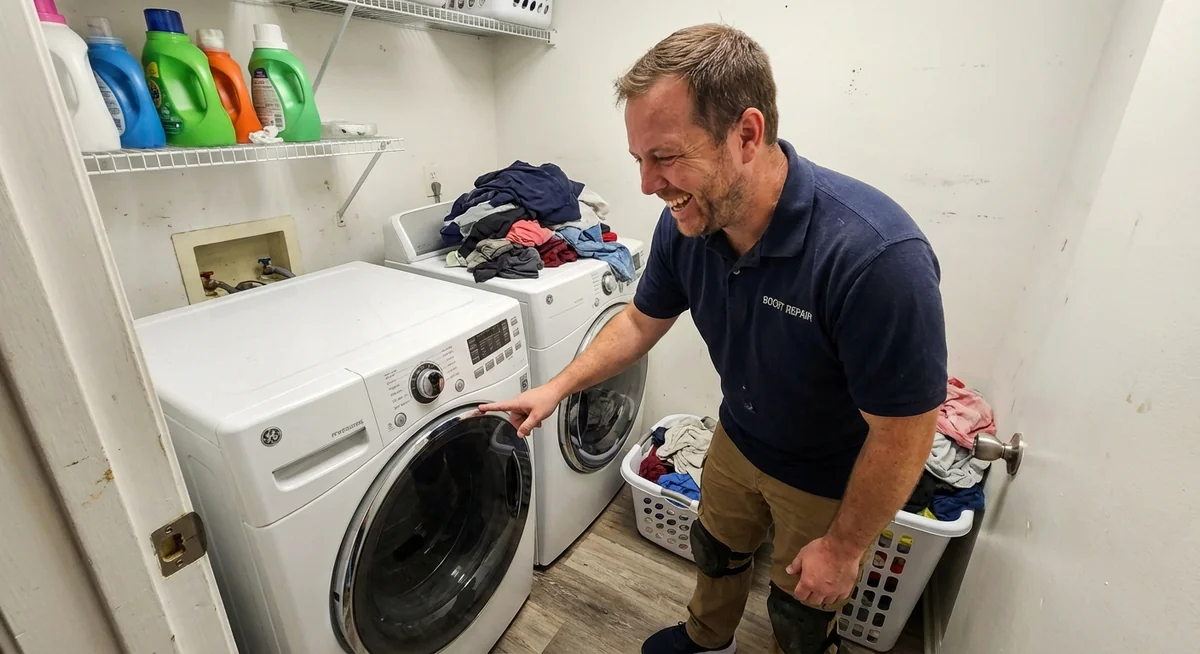
Real Repairs by Our Technicians
Why Choose Boost Appliance Service?
20+ Years Experience
Over two decades repairing New Jersey's kitchen and laundry appliances. Factory-trained, certified technicians.
Same-Day Service
Same-day or next-day appointments available. We know you can't wait — we respond fast.
Trusted by Neighbors
Most new customers come from referrals. We fix it right the first time, every time.
Upfront Pricing
Transparent pricing and solid warranty on every repair. Fully insured for your peace of mind.
Brands We Service
Our experienced technicians repair appliances from all major brands





Dmitry visited today and helped fixing GE oven. He was quick to diagnose issue and fixed it at reasonable price.
I haven't met a man as professional and honest as Alex in a long time. He really does the best in the interest of the customer.
Igor from Boost Appliance Service repaired my subzero refrigerator. He needed to order parts but in general the repair turned over was fast and my fridge is working perfectly right now. The best service in Morristown. Highly recommend!
I was very impressed with their great availability. They scheduled me in quickly and Ramiz was very knowledgeable and detail oriented. The error code we had was not appearing but he still spent 45 minutes making sure everything was checked. I appreciated his attention to detail and not just leaving when the error code wasn't there. We will definitely be returning customers!
A+++ Service. Boost Appliance Service is great. I called on Monday and Mr. Igor came the next day to repair the defrost sensor and drain line of my fridge, he also did thorough maintenance checks on my laundry dryer and laundry washer machine. 3 appliances all in one day. Highly recommended. Answered all my questions and showed me how to maintain my appliances. Thank you.
Eddie did an EXCELLENT job diagnosing, repairing and cleaning my washer and dryer. Completely disassembled it, made it run smoother than ever and made the inside shine like new.
Dryer Repair in Nearby Cities
Last updated October 2026
Essex County municipalities like Orange sit in a dense corridor where multi-family rentals and older single-family homes share blocks just minutes from Branch Brook Park. Dryers in these buildings work hard — shared laundry setups and household machines running multiple loads daily take a real toll. Lint buildup, thermal fuse failures, and sluggish drying cycles are the calls we get most from Orange residents. The 07050 zip code alone covers a mix of two-family homes, garden apartments, and converted Victorian houses, and each building type throws its own wrinkle at dryer repair.
A lot of the housing stock in Orange dates back several decades, and older ductwork in these buildings creates longer, sometimes kinked vent runs that restrict airflow badly. That's a direct cause of overheating and blown thermal fuses. Streets near the Central Avenue corridor and the residential blocks off Scotland Road tend to have the densest concentration of these older setups — tight utility closets, short dryer hoses bent at sharp angles, and vents that haven't been cleaned in years. The blocks around Freeman Street and Cleveland Street are mostly two- and three-family homes built in the 1920s through 1950s. Laundry hookups in those buildings were often added after the fact — shoved into a basement corner or a converted closet on the second floor. Vent runs in those spots can stretch 20 feet or more with two or three 90-degree bends before hitting an exterior wall. That's a problem for any dryer, but especially for the Samsung and LG front-loaders that a lot of Orange households have picked up in the last ten years. Those machines run hotter than older top-loaders and have less tolerance for restricted exhaust. The Oakwood neighborhood off Oakwood Avenue skews slightly newer construction, but even those homes from the 1970s and 1980s have aging dryer infrastructure. Drum rollers, blower wheels, and belt tensioners wear out faster when the machine is fighting restricted airflow on every cycle. Highland Avenue and the streets feeding into Orange Park also see heavy dryer use — larger family households, multiple loads a day, and machines that don't get serviced until something actually breaks. Electrical supply is another factor specific to Orange's older housing. Pre-1960s wiring in the two-family homes near Oakwood Avenue and the streets off Lincoln Avenue wasn't designed for modern 240V dryer loads. Voltage inconsistencies stress control boards and heating elements over time — particularly in Whirlpool and GE units that are already a decade old. A heating element that keeps failing every year in a 07050 home is often a wiring issue masquerading as an appliance problem. The homes closest to the Valley Road and Day Street intersection have some of the oldest electrical panels we see in this part of Essex County, and that directly affects how long dryer components last. Multi-family buildings along Central Avenue and the Main Street corridor present a different challenge: shared laundry rooms where machines run nearly continuously. Commercial-grade use on residential-spec dryers shortens the life of drum rollers, moisture sensors, and drive belts significantly. Tenants in those buildings often don't report problems until the machine is completely dead — by which point a simple belt replacement has turned into a control board diagnosis. Samsung front-loaders in those shared setups frequently throw a HC or HE error code before the thermal fuse gives out entirely. Parking and access matter too. The side streets off Freeman Street and around the Oakwood Avenue blocks are narrow, especially near the older Victorian conversions. Buildings with rear-alley utility entrances or basement-only laundry access are common in the 07050 corridor between Central Avenue and Day Street. On jobs near the Orange Train Station area, street parking during the day can be tight — we factor that in when scheduling so we're not circling the block with parts in hand. Moisture is a secondary issue that doesn't get talked about enough in Orange specifically. The low-lying areas near the Rahway River tributary off Lincoln Avenue tend to hold humidity, which accelerates corrosion on exhaust vent connections and the blower wheel housing. A Whirlpool or GE dryer sitting in a damp basement utility room will develop rust at the vent collar connection point faster than the same machine in a dry second-floor closet. That corrosion restricts airflow just as badly as lint buildup — and it's less obvious until you pull the unit out and look.
Common Dryer Issues in Orange
Clogged Vent Lines in Older Multi-Unit Buildings
Long vent runs through older Orange homes trap lint fast, especially in multi-story rentals where the duct path bends multiple times before reaching the exterior. Restricted airflow forces the dryer to run longer, spikes internal temps, and eventually trips the thermal fuse. Clothes come out warm but still damp — that's the first sign. In the two- and three-family homes near Freeman Street, we've pulled vent lines with literal plugs of compacted lint sitting just past the first elbow.
Thermal Fuse Failures from Chronic Overheating
The thermal fuse is a one-time safety cutoff — once it blows, the dryer stops producing heat entirely. In Orange, we see this constantly in homes where the vent hasn't been serviced in years. Replacing the fuse alone won't fix it permanently. The underlying airflow problem has to be addressed, or the new fuse blows within weeks. Whirlpool and GE units are especially common in this pattern — the fuse is cheap, but the diagnostic work to find the root cause is what actually saves the machine.
Drum Not Spinning — Worn Belt or Seized Roller
Dryers that run but don't tumble usually have a snapped drive belt or a drum roller that's seized up. Heavier loads — common in family households running full-capacity machines — wear these parts faster. The fix is straightforward, but the parts vary by brand. GE, Whirlpool, and Samsung are the machines we see most in Orange. An LG front-loader throwing a tE2 or tE3 error code is usually a thermistor or control board issue, not a belt — worth knowing before you assume the worst.
Frequently Asked Questions
How fast can you get to Orange for Dryer Repair?▼
Orange is easy to reach from multiple directions — Route 280 and the Garden State Parkway both put us close. Most calls in the 07050 zip code get a same-day or next-morning appointment, and we can usually be there within two hours for urgent situations. Street parking on residential blocks off Scotland Road and Freeman Street is generally available, though Central Avenue can be tight during business hours. If you're in a multi-family building with a rear entrance or basement access, just mention that when you call — it saves time on both ends. Reach us at (551) 282-9561 to get on the schedule.
My dryer is in a basement utility room with a really short ceiling — is that a problem for repairs?▼
Not at all. Tight utility spaces are common in Orange's older homes, especially the converted basements on the blocks near Branch Brook Park and the Oakwood neighborhood. We carry compact tool setups specifically for low-clearance work. Just let us know when you book so we're not surprised — it helps us bring the right equipment and plan for the extra time.
What does dryer repair typically cost in Orange, and do you charge to come out?▼
Diagnostic visits are charged, and that fee applies toward the repair if you move forward. Most common fixes — thermal fuse, belt, heating element, drum roller — run between $120 and $250 parts and labor combined. KitchenAid and Bosch units can run slightly higher on parts, but we quote before touching anything, so there are no surprises on the invoice.
Need Dryer Repair in Orange?
Same-day service available. Call now to book a $129 diagnostic, free if you go ahead with the repair.
(551) 282-9561